



Many people ask: which two habits are the most important for building wealth and becoming a millionaire? The answer isn’t finding one perfect stock or getting lucky with timing. The two habits are living below your means and investing automatically.
To learn how to make your money work for you, you must stop letting every dollar depend on your labor. Your money should have a job: paying down debt, earning interest, buying assets, collecting dividends, reducing taxes, or increasing your future income. Building wealth is about creating a system that keeps working even when you are busy, tired, or not paying attention.
Interactive Tool: The Financial Priority and Compound Calculator
Financial Priority and Compound Calculator
Use this calculator to decide which financial move may come first: paying off high-interest debt or investing. Then see how money can grow once it is invested and compound returns begin earning returns.
Priority Decision Inputs
Compound Growth Inputs
| Financial Move | Rate Used | One-Year Value on Available Money | Interpretation |
|---|---|---|---|
| Pay Down Debt | 0.00% | $0.00 | Guaranteed interest avoided if the debt would otherwise remain. |
| Invest | 0.00% | $0.00 | Potential return, not guaranteed. |
Annual Debt Interest Avoided = Amount Used Toward Debt × Debt Interest Rate
Estimated Annual Investment Return = Available Money × Expected Investment Return
Future Value = Starting Investment × (1 + Return)Years + Monthly Contributions Future Value
Monthly Contributions Future Value = Monthly Contribution × [((1 + Monthly Return)Months − 1) ÷ Monthly Return]
Note: Paying down high-interest debt can act like earning a guaranteed return equal to the interest avoided. Investment returns are uncertain and can be negative in some years. This calculator is for education only and is not financial advice.
A good calculator should show two things: which financial move comes first, and how much your money can grow once it’s invested. For example, paying off a 22% credit card balance may be more powerful than investing in a market that might earn 7% to 10% over time. After debt is handled, the calculator should show compound interest. When your returns begin earning their own returns, time becomes your hidden employee.
Phase 1: The Cash Flow Defense

1. Eradicate High-Interest Debt First
The first rule of smart investing strategies is stopping financial leaks. Credit card debt, payday loans, and high-interest personal loans can quietly destroy your progress. If you owe money at 20% interest, paying it off is like earning a guaranteed 20% return with no market risk. Before chasing stocks, crypto, or real estate, remove the debt that is already working against you.
2. Exploit Credit Card Float and Rewards
Credit cards can hurt you if you carry a balance, but they can help if you pay in full every month. Use rewards cards only for spending you already planned, then pay the full statement before interest starts. Cashback, points, and short-term float can turn normal expenses into small financial wins. The rule is simple: rewards are useful only when they never create debt.
Phase 2: The Saving vs. Investing Chasm
3. The Emergency Net and High-Yield Vehicles
How does planning and saving for your future help you build wealth? It gives you stability. A three-to-six-month emergency fund prevents you from selling investments during a crisis. Keep this money in best short term investments such as high-yield savings accounts, money market accounts, or CD ladders. This cash won’t make you rich, but it protects the wealth-building machine.
4. Shift From Saving to Broad-Market Investing
Why is investing a more powerful tool to build long-term wealth than saving? Saving preserves dollars, but investing gives them growth potential. Inflation reduces the value of idle cash over time. Broad-market index funds and ETFs let your money participate in business growth, dividends, and compounding. For long-term goals, investing is how your dollars stop sitting still and start multiplying.
Phase 3: The Automated Wealth Machine
5. Automate Your Contributions
Automation removes the need for willpower. Set automatic transfers from your paycheck or checking account into savings, retirement accounts, and taxable investment accounts. Pay yourself first before lifestyle spending absorbs the money. Even a modest monthly amount can become powerful when it happens consistently for years.
6. Turn on DRIP
DRIP stands for Dividend Reinvestment Plan. When your stocks or funds pay dividends, DRIP automatically uses that cash to buy more shares. Those new shares can then produce more dividends later. This creates a snowball effect. Instead of treating dividends as spending money, you turn them into more ownership.
Phase 4: The Ultimate Asset
7. Invest in Your Human Capital
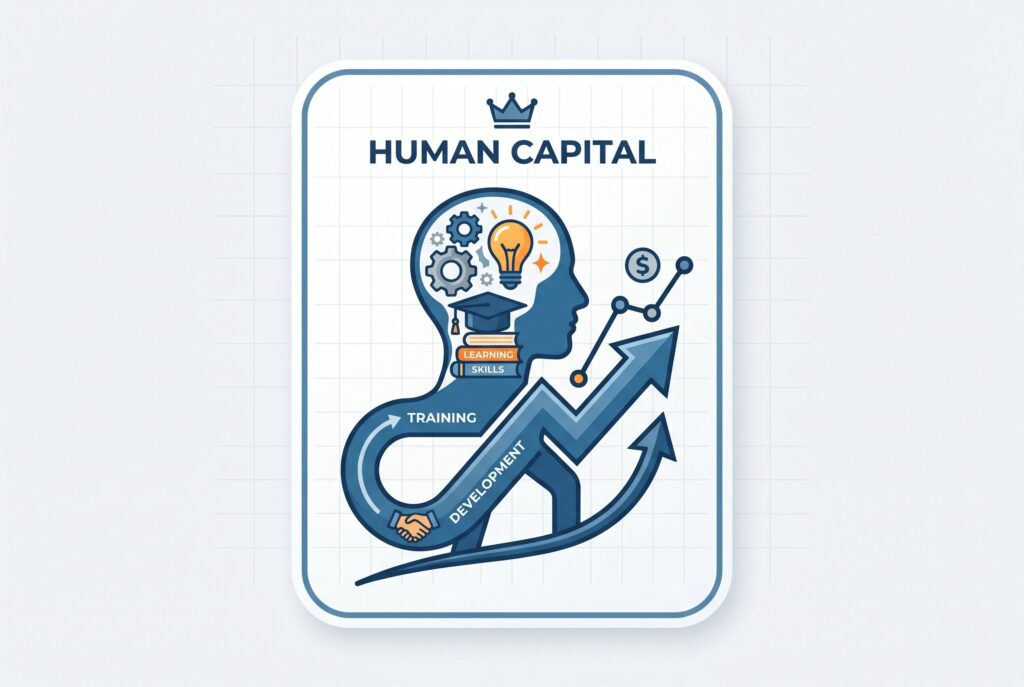
Your most powerful asset is your ability to earn. A certification, sales skill, coding course, professional license, negotiation training, or side hustle can raise your income far more than a small investment account can. More income gives you more money to save, invest, and compound. The best investors don’t only grow portfolios. They grow earning power.
Conclusion
Making your money work for you starts with a few simple financial habits. Pay off high-interest debt, maintain an emergency fund, invest consistently, automate contributions, reinvest returns, and keep developing your skills and earning potential. Over time, these actions create momentum. As investments grow and income increases, each financial decision becomes easier to build upon. Choose one habit today, put it on autopilot, and allow compounding to do its work over the years.

