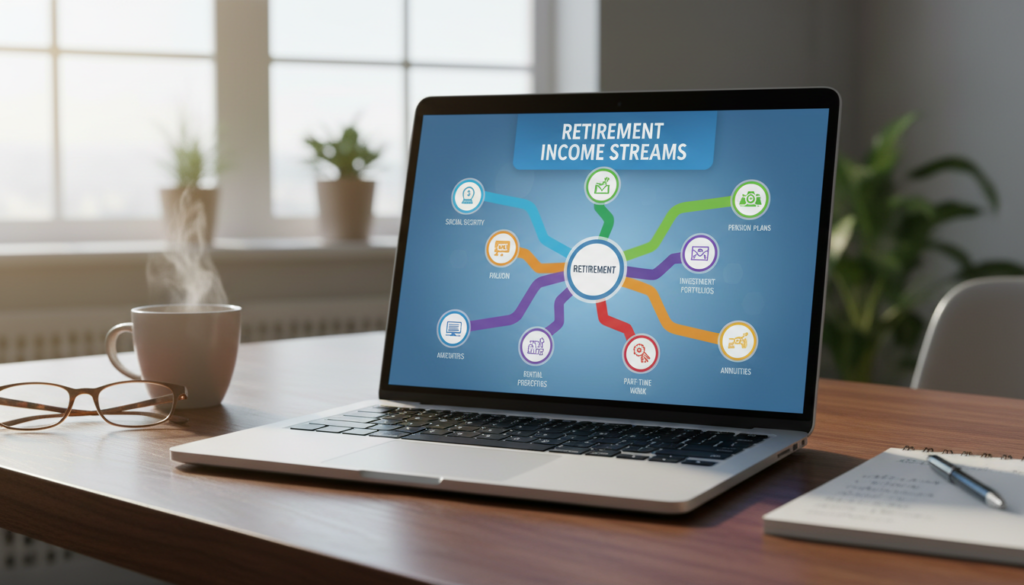
Retirement income planning isn’t as simple as replacing your salary with withdrawals from a savings account. Once you stop working full time, your income typically comes from multiple retirement income streams, each with its own tax treatment, risk level, and distribution rules. Understanding how these sources work together is essential if you want predictable cash flow, tax efficiency, and long term financial stability.
For people approaching retirement in the United States, the challenge isn’t just building savings. It’s structuring those assets into reliable retirement income that can last 20 to 30 years or more. That requires careful coordination of Social Security benefits, employer sponsored retirement plans, personal investments, and healthcare planning.
Social Security as a Core Income Source
For many retirees, Social Security benefits form the foundation of retirement income. Administered by the Social Security Administration, benefits are based on your highest earning 35 years and the age at which you claim. Claiming early reduces your monthly benefit, while delaying benefits can increase it significantly.
The decision of when to claim shouldn’t be rushed. Your health outlook, marital status, other income sources, and overall tax situation all play a role. Married couples especially need to think strategically because survivor benefits and spousal coordination can materially affect lifetime household income.
Another important consideration is taxation of Social Security. Depending on your combined income in retirement, a portion of your benefits may be taxable. Coordinating retirement account withdrawals can help manage that exposure and improve overall tax efficiency.
Employer Retirement Plans and IRAs
Traditional 401(k) plans, 403(b) accounts, and traditional IRAs often represent the largest pool of retirement assets. These accounts offer flexibility, but withdrawals are generally taxed as ordinary income, which can significantly affect your tax bracket in retirement.
Before retiring, you’ll want a clear retirement withdrawal strategy. Randomly pulling money out year by year can create tax inefficiencies and increase the risk of depleting assets too quickly. Required minimum distributions eventually come into play, and those rules can materially change your tax situation later in life.
Market risk is another key factor. Unlike Social Security benefits or a traditional pension, these accounts fluctuate with investment performance. A major downturn early in retirement can have lasting consequences if withdrawals aren’t carefully managed. That’s why many retirees maintain a cash buffer or short term bond allocation to reduce the need to sell investments during periods of market volatility, protecting long term retirement income stability.
Roth Accounts and Tax Diversification
Roth IRAs and Roth 401(k) plans add an important layer of flexibility to your retirement income strategy. Qualified withdrawals are generally tax free, which can help you control your taxable income in retirement.
This flexibility becomes especially valuable when managing Medicare premium thresholds, Social Security taxation, or large one time expenses. Having funds available that don’t increase taxable income gives you more control over your overall tax liability.
If you’re considering Roth conversions before or during early retirement, evaluate the timing carefully. Conversions increase ordinary income in the year they’re completed, so planning them during lower income years can significantly improve long term tax efficiency.
Pensions and Guaranteed Income Options

Although less common than in previous decades, pension income still provides meaningful support for many retirees. A defined benefit pension plan typically offers predictable monthly payments, often for life, which can strengthen overall retirement income stability.
When offered a choice between a lump sum distribution and monthly payments, you’ll need to evaluate long term stability, survivor benefits, and your own investment discipline. A lump sum may offer flexibility and potential growth, but it shifts investment risk onto you. A lifetime payment provides stability but less control over assets.
Some retirees also explore annuities as a way to create additional guaranteed income. These products vary widely in complexity and cost. It’s critical to understand annuity fees, liquidity limitations, and the financial strength of the issuing insurer before committing retirement funds.
Taxable Investment Accounts
Brokerage accounts can serve as a flexible retirement income bridge, particularly for those retiring before claiming Social Security benefits. Unlike traditional retirement accounts, these investments are generally subject to capital gains tax rules rather than ordinary income tax when sold after meeting long term holding requirements.
This distinction can create meaningful tax planning opportunities. In some cases, retirees can generate income from taxable accounts at favorable long term capital gains rates while allowing tax deferred accounts to continue compounding.
However, brokerage accounts remain exposed to market risk. A thoughtful asset allocation and disciplined withdrawal strategy are still essential to protect long term retirement income stability.
Healthcare Costs and Medicare Planning

Healthcare costs are one of the most underestimated retirement expenses. Medicare eligibility generally begins at age 65, but it doesn’t cover everything. Medicare premiums, deductibles, supplemental insurance, prescription drug coverage, and other out of pocket costs all factor into your total retirement income needs.
Additionally, higher taxable income can trigger increased Medicare premiums through income related adjustments. Coordinating retirement account withdrawals across taxable, tax deferred, and Roth accounts can help manage these income thresholds more effectively.
Planning for potential long term care expenses is also important. Even if you never require extended care, having a strategy in place protects your broader retirement income plan and helps preserve long term financial stability.
Housing Decisions and Their Impact on Cash Flow

Housing often represents both a major asset and a significant expense. Downsizing can free up equity and reduce ongoing costs, while staying in place may provide emotional stability and community continuity.
Some retirees consider rental income, part-time property leasing, or home equity strategies to supplement retirement income. Each approach has benefits and risks, particularly related to liquidity, maintenance responsibilities, and long-term flexibility.
Housing decisions should align with both financial and lifestyle goals, not just projected cash flow.
Building a Sustainable Withdrawal Strategy
One of the most important pre-retirement tasks is creating a structured withdrawal plan. This involves determining:
- How much you’ll withdraw annually
- Which accounts you’ll draw from first
- How you’ll adjust withdrawals during market downturns
- How inflation will affect spending over time
Rather than relying on a single rule of thumb, many retirees benefit from dynamic strategies that adjust based on portfolio performance and spending needs.
Stress-testing your plan under different market scenarios can reveal weaknesses before retirement begins. This proactive approach increases confidence and reduces the risk of reactive decisions during volatility.

Common Retirement Income Mistakes to Avoid
Several predictable mistakes can undermine retirement income stability:
- Underestimating longevity and inflation
- Ignoring tax coordination across income sources
- Claiming Social Security without evaluating alternatives
- Failing to plan for required minimum distributions
- Overlooking healthcare cost projections
Avoiding these pitfalls doesn’t require complex financial engineering. It requires awareness, coordination, and periodic review.
Final Thoughts
Retirement income streams work best when treated as an integrated system rather than isolated accounts. Social Security, pensions, investment accounts, and taxable assets each play a distinct role. The goal isn’t simply to generate income. It’s to create reliable, tax-efficient cash flow that supports your lifestyle without unnecessary risk.
Before you retire, take time to map out when each income source begins, how it’s taxed, and how it responds to market conditions. Consider working with a fiduciary financial professional and a qualified tax advisor to refine your strategy. Careful planning today can help ensure your income remains stable, flexible, and sustainable throughout retirement.
Related Articles
- Retirement Planning Strategies and Timelines for a Secure Future: A Simple Guide for Beginners
- A Practical Guide to Adjusting Your Retirement Plan as Life Changes
- Breaking Down the Real Cost of a Comfortable Retirement: What You Need To Know Today
- A Practical Guide to Preparing for Retirement Without Feeling Overwhelmed