


Investing is an essential part of growing wealth, but it isn’t without its pitfalls. Many investors, whether experienced or just starting, make mistakes that can lead to unnecessary losses and missed opportunities. These mistakes often stem from emotional decision-making, poor planning, and a lack of strategy. In this article, we’ll explore seven of the most common investing mistakes and provide actionable strategies to help you avoid them, ensuring you maximize your potential returns and improve your overall investment strategy.
1. Not Having a Clear Investment Strategy
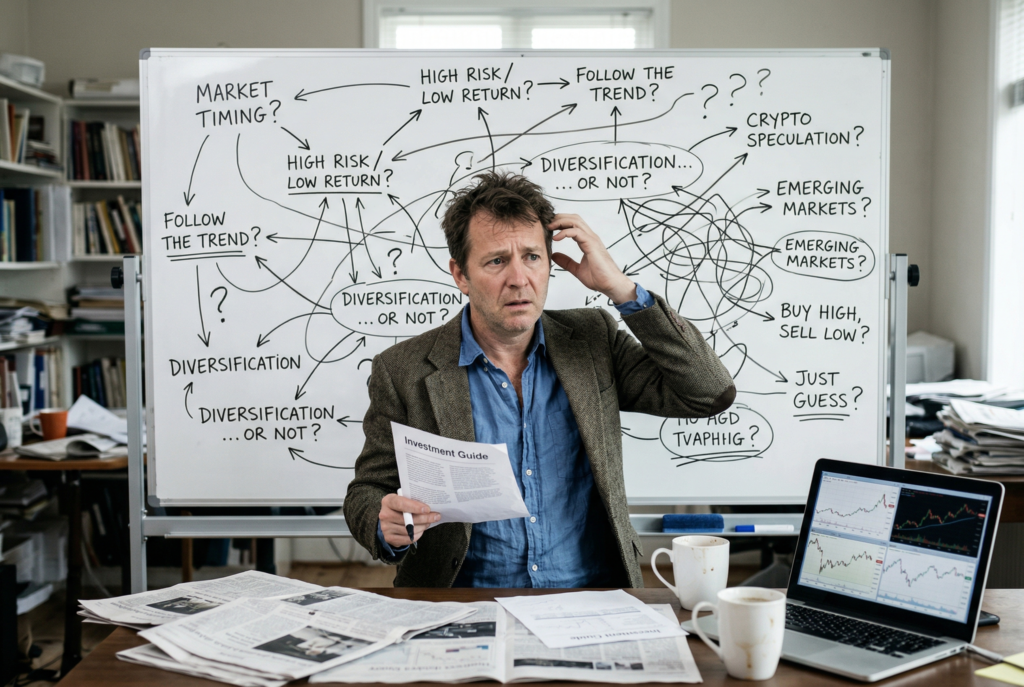
One of the biggest mistakes that investors make is not having a clear investment strategy. Without a defined plan, it’s easy to make impulsive decisions based on short-term market movements or emotions. Having a well-thought-out strategy helps guide your investment decisions and keeps you focused on your long-term financial goals.
How to Avoid This Mistake
Start by setting clear financial goals (for example, retirement, buying a home, paying off debt). Determine your risk tolerance: are you comfortable with potential market fluctuations, or do you prefer safer, low-risk investments? Then, choose an asset allocation strategy that aligns with your goals and risk level. Regularly review and rebalance your portfolio to ensure it stays aligned with your evolving goals.
2. Letting Emotions Control Your Investment Decisions
Emotional investing is a common mistake that can significantly harm your portfolio. Many investors panic and sell during market downturns or chase after “hot” stocks when the market is booming. Fear and greed often drive these decisions, leading to buying high and selling low: an approach that usually results in poor returns.
How to Avoid This Mistake
Stay disciplined by sticking to your long-term investment strategy. Avoid checking your portfolio constantly during market fluctuations. Instead, stay focused on your financial goals. If market volatility is stressing you out, consider working with a financial advisor who can help you stay rational and make more informed decisions.
3. Trying to Time the Market
Market timing is the practice of attempting to buy low and sell high by predicting short-term market movements. While it sounds appealing, it’s nearly impossible to predict the market with accuracy. Even professional investors struggle with timing, and trying to do so can lead to costly mistakes.
Instead of trying to time the market, focus on long-term investing. By investing in diversified assets and holding them over time, you give your investments the best chance to grow. Use dollar-cost averaging (DCA), where you invest a fixed amount at regular intervals, regardless of the market’s direction. This strategy reduces the risk of investing all your funds at the wrong time and helps you avoid emotional reactions to market swings.

4. Ignoring the Importance of Diversification
Investing in a single stock or asset class can lead to significant risk. Lack of diversification is a common mistake that can leave your portfolio vulnerable to market fluctuations or poor performance in one area. A diversified portfolio helps to spread risk and maximize returns.
To reduce risk, diversify your investments across different asset classes, such as stocks, bonds, real estate, and commodities. Additionally, diversify within asset classes by investing in various sectors or geographical regions. Use mutual funds or exchange-traded funds (ETFs) to gain exposure to a broad range of investments in one go. Rebalancing your portfolio periodically ensures it stays diversified and aligned with your financial goals.
5. Failing to Monitor Your Investments Regularly
Investing isn’t a “set it and forget it” activity. Many investors make the mistake of neglecting to monitor their investments after they’ve made them. Market conditions, your goals, or your risk tolerance may change, and it’s essential to keep your portfolio in check.
How to Avoid This Mistake
Set aside time regularly, perhaps quarterly or annually, to review your portfolio’s performance. This will allow you to track whether your investments are on track to meet your goals and make adjustments as needed. Consider factors like market conditions, fees, and asset performance. If your risk tolerance or financial goals change, rebalance your portfolio accordingly.
6. Chasing Past Performance

It’s tempting to invest in stocks or funds that have performed well in the past, but this can be a dangerous mistake. Past performance isn’t an indicator of future returns, and focusing solely on historical performance can lead to poor investment choices.
Instead of chasing past performance, focus on fundamentals and value. Look at factors such as a company’s financial health, growth prospects, and competitive advantages. When considering funds, focus on their strategy, management, and fees rather than just historical returns. Remember that diversification will help reduce the risks of betting on a single investment based solely on past success.
7. Overlooking Fees and Expenses
Investment fees, while often small at first glance, can significantly eat into your returns over time. Many investors overlook expense ratios, transaction fees, and management fees, which can add up and reduce overall profits.
When selecting investments, always look at the total cost involved, including management fees, fund expense ratios, and trading commissions. Opt for low-cost investment options like index funds or ETFs, which tend to have lower fees than actively managed funds. Additionally, consider tax-efficient investments that can help minimize your tax burden. Over time, keeping fees low can result in significantly higher returns.
How to Improve Your Investment Strategy
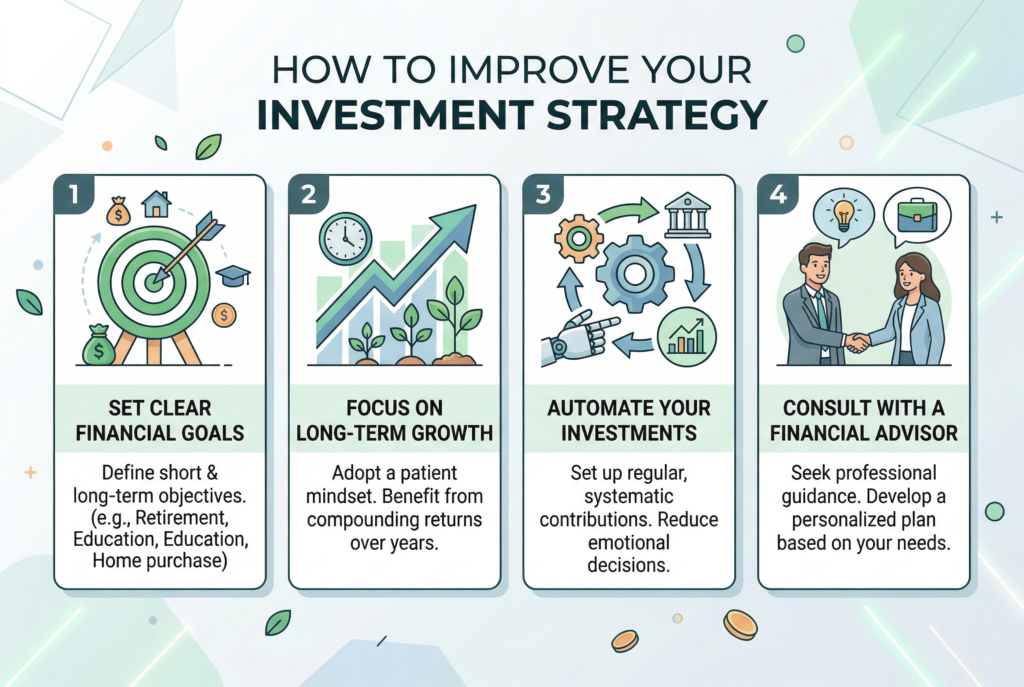
1. Set Clear Financial Goals
A clear investment plan starts with knowing what you want to achieve. Are you investing for retirement, a child’s education, or a large purchase? Define your financial goals and timeframe, and use this as a basis to guide your asset allocation and investment choices.
2. Focus on Long-Term Growth
Investing for the long term allows you to ride out market fluctuations and take advantage of the compounding effect. Stay the course even when markets are volatile, and avoid making impulsive decisions based on short-term events.
3. Automate Your Investments
To avoid emotional decision-making and ensure that you’re consistently investing, consider setting up automatic contributions to your investment accounts. This way, you’re consistently building your portfolio without the temptation to make rash decisions when markets fluctuate.
4. Consult with a Financial Advisor
A financial advisor can provide personalized advice, especially when you’re unsure of your investment strategy or how to manage complex assets. Advisors can help you create a customized portfolio that matches your risk tolerance and long-term goals.
Conclusion: Investing Wisely for a Better Future
Avoiding common investing mistakes is key to building a strong, successful investment portfolio. By staying disciplined, focusing on long-term goals, and diversifying your assets, you can minimize risks and maximize your returns. Avoid emotional decisions, monitor your investments regularly, and stay informed about the market to make smarter choices.
Remember, investing is a marathon instead of a sprint. By following a solid strategy and learning from mistakes along the way, you’ll set yourself up for long-term financial success. Always stay patient, stay focused on your goals, and make sure your strategy is tailored to your unique financial needs and risk tolerance.
Related Articles
How to Choose the Right Investment and Maximize Your Returns for a Strong Portfolio
